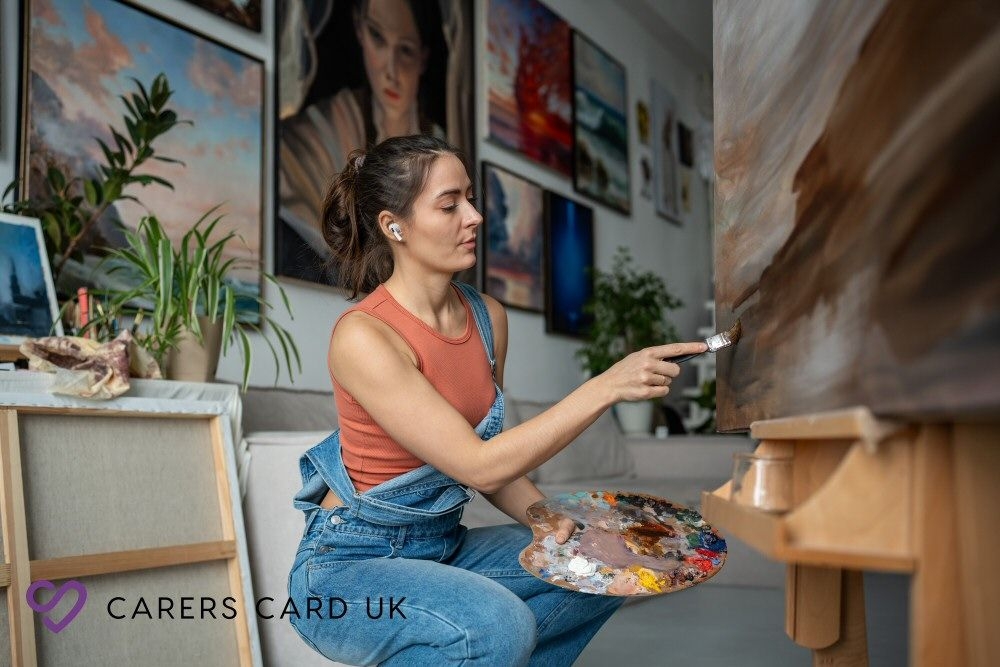
1. Start with Basic Supplies
When beginning your art journey, it’s tempting to buy expensive materials, but starting with the basics is perfectly fine. You can create beautiful works of art with affordable supplies or even items you already have at home.
Suggested Supplies:
- Pencils: Start with a simple HB pencil for sketching and a softer pencil like 2B for shading.
- Paper: Use printer paper or repurpose old notebooks until you’re ready to invest in drawing pads.
- Paint: Watercolours are affordable and versatile, while acrylic paints are great for beginners.
- Brushes: A few basic sizes will suffice—a medium flat brush, a small round brush, and a fine detail brush are good choices.
Tip: Check discount stores or online marketplaces for budget-friendly art supplies, or look for second-hand materials.
2. Use Online Resources for Inspiration and Tutorials
There’s no need to pay for expensive art classes when the internet is full of free resources to guide you. YouTube, Pinterest, and websites dedicated to art tutorials offer step-by-step guidance for beginners, from drawing simple shapes to mastering painting techniques.
Ideas to Explore:
- Watch videos on sketching basics, like drawing faces or landscapes.
- Follow tutorials on mixing colours or creating textures with paint.
- Search for reference images to inspire your work or practise your skills.
Tip: Join online art communities or social media groups to share your progress and get feedback from fellow beginners.
3. Repurpose Everyday Items for Creative Projects
You don’t need fancy tools to create art—everyday items can be surprisingly useful. For instance, cotton buds, sponges, and old toothbrushes can be used to create unique textures in paintings. Similarly, you can draw on materials like cardboard or scrap paper instead of buying expensive canvases.
Creative Ideas:
- Use a sponge to blend colours in a painting or create soft backgrounds.
- Repurpose cereal boxes as a sturdy surface for acrylic painting.
- Make stamps out of potatoes or erasers for fun and easy designs.
Tip: Experimenting with different materials can make your art more interesting and unique while keeping costs down.
Summary and Key Takeaways
- Start with basic and affordable supplies like pencils, paper, and watercolours.
- Use free online resources, such as tutorials and reference images, to learn and improve your skills.
- Repurpose household items and materials to create art without buying expensive tools.
Getting into drawing and painting doesn’t have to be costly. With these budget-friendly tips, carers can explore their creativity and enjoy a relaxing hobby that fits into their lifestyle. For more inspiring ideas and support, visit CarersCardUK.
